Sign in. It’s quick, free and it’s up to you.
An account is an optional way to support the work we do. Find out more.
Sign in. It’s quick, free and it’s up to you.
An account is an optional way to support the work we do. Find out more.

FINDING THE RIGHT car for your needs, lifestyle and budget can be a tricky process. We want to help streamline the search. As part of our Insights series, every week we’ll take a different car-buying question to the experts at the heart of the motor industry.
This week, we’re figuring out how best to judge if a used car is safe, reliable and suits your needs – all from a short test drive. We asked Philip Mallon, Director at Joe Mallon Motors in Naas and Portlaoise to weigh in with some expertise.
Here are six crucial steps to follow when test-driving a used car, according to Philip…
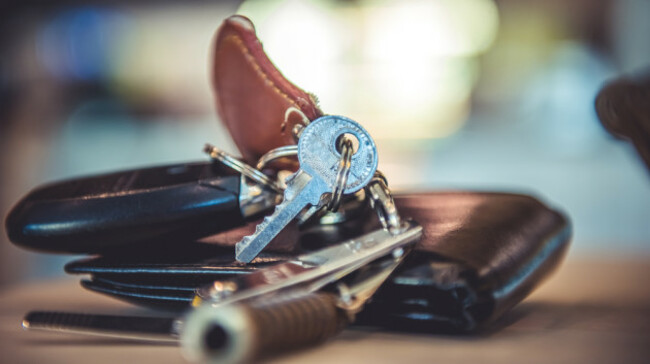
Before buying a used car, you’ll want to know where it’s been before. With a large, established dealer, you’ll get all of the history as standard, including details of services, repairs and any other vital information.
With a private sale, the seller might not be so forthcoming with the information, so be sure to request everything rather than just taking his or her word for it that the car is sound. If a car has been properly cared for, a private seller should have no problem handing the information over.

It’s important to judge general wear and tear before getting into the vehicle. With tyres, you can’t tell much by eye, but even running your finger along the inside of the tyres and feeling the tread depth can reveal a lot. If the tyres feel bald or don’t seem roadworthy, ask questions.
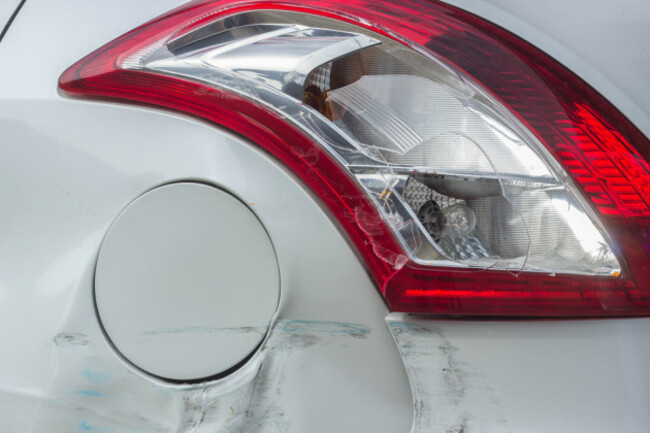
Do a full walk-around of the car and look for dents, badly secured panelling or any other potential signs of severe damage.
Larger, established dealers won’t put a car on the forecourt that unless it has been fully repaired and checked, but you can’t be as sure of that with a private seller. A good move is to look for recent NCT certificates. If a car’s NCT is out by a long time, that could be a red flag.

Don’t just take the vehicle around the car park. Bring it on a road where you’ll get a decent chance to drive it. As you’re moving, take note of the tracking. Is the car pulling to one side or is it driving in a straight line?
We do the same test drive loop with most customers. It takes around 15-minutes and features some main roads and a couple of roundabouts, which is usually enough to give an indication of performance.
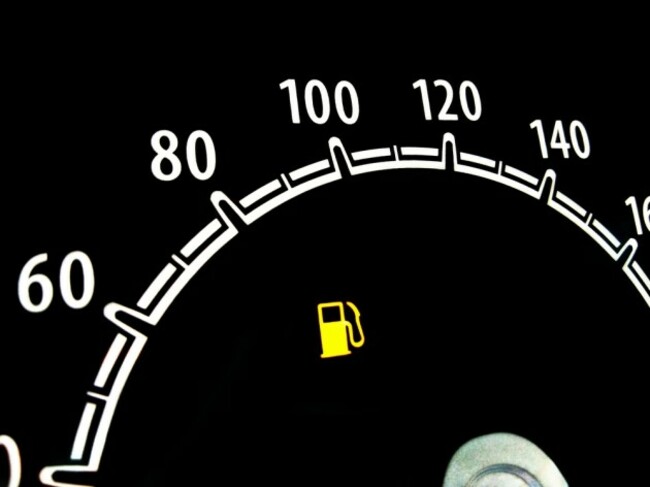
Don’t ignore the dashboard lights. Modern cars are built to warn drivers if anything is wrong or needs fixing, so keep an eye out during your test run and get the problem fixed now, before you buy. Key ones to be mindful of include service lights, tyre pressure warnings and engine management lights.
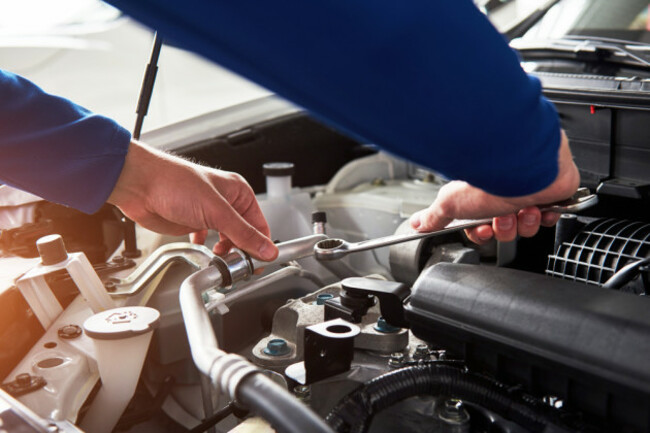
With a private sale you may wish to ask a mechanic you trust to take a look over the car, to ensure everything is in order.
In general, if you need a second opinion, bring someone along on the test drive with you who has a good idea of how cars work and who also knows your needs. You want a car that’s safe, roadworthy, and suits your lifestyle now and in the long-term.

To embed this post, copy the code below on your site









have your say